Learn The Secret of Simple French Mirepoix

Learn The Secret of Simple French Mirepoix
Learn the secret of simple French mirepoix, (pronounced meer-PWAH). Certainly,  improve every dish with easy recipe. Nothing transfixes the soul like the aromatic and savory characteristics of mirepoix. Elevate every-day roast chicken or restore the body and mind with a more flavorful bone broth. Most importantly, transport the senses with a correctly toned French sauce — all with mirepoix.
What is Mirepoix?
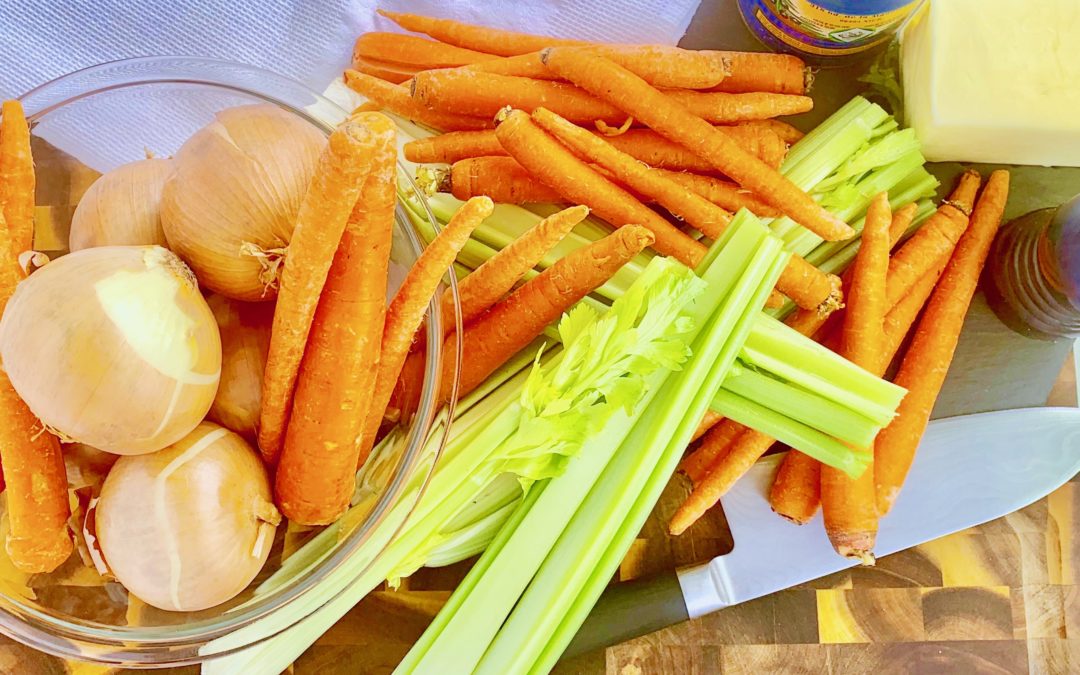
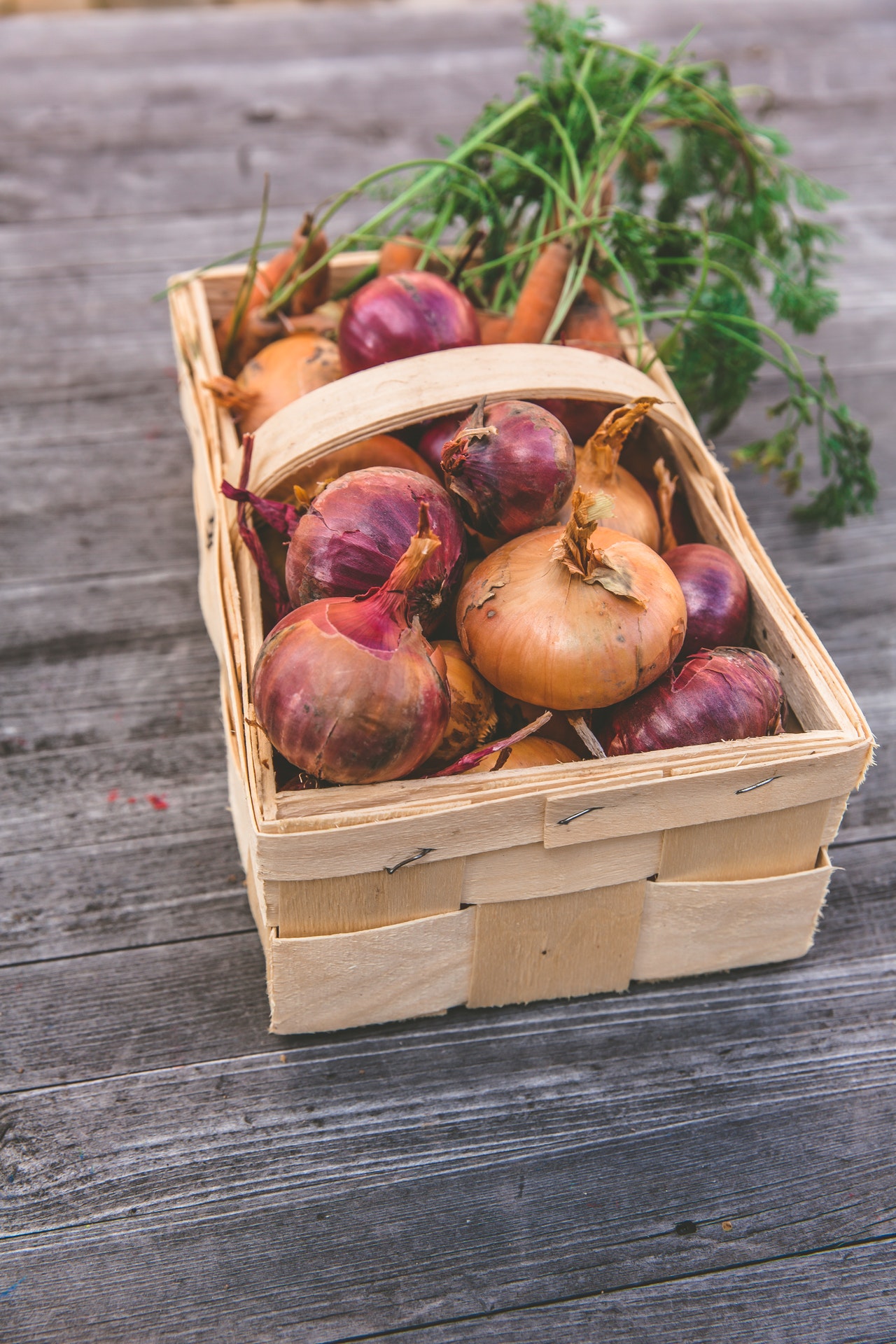
For me, as a chef, Mirepoix is a buttery, wine-laced stock garnished with an aromatic mixture of carrots, onions, celery and a bouquet garni.  To clarify, classic French mirepoix is diced carrots, onions and celery cooked in some form of fat, such as butter or duck fat. The savory combination greatly enhances the flavor of every dish. For example, sauces, soups, stews and roast meats. The onions and celery celebrate aromatic flavors and the carrots for their sweetness. Of course, is helpful that they are both available at the same time, and have incredible nutrient value. So, let’s learn the secret of simple French mirepoix. 
Learn The Secret of Simple French Mirepoix, Chef Missy
About this Recipe
YIELDS: between 4 to 5 cups

TIME: 15 minutes prep; 30 minutes without wine; 45 minutes cook time with wine.

NUTRITION: onion & celery are low in calories & fat, but high in vitamins and minerals. Also, they act as sponges for toxins soaking them in along the way. As a result, they are super foods for your immune system. 
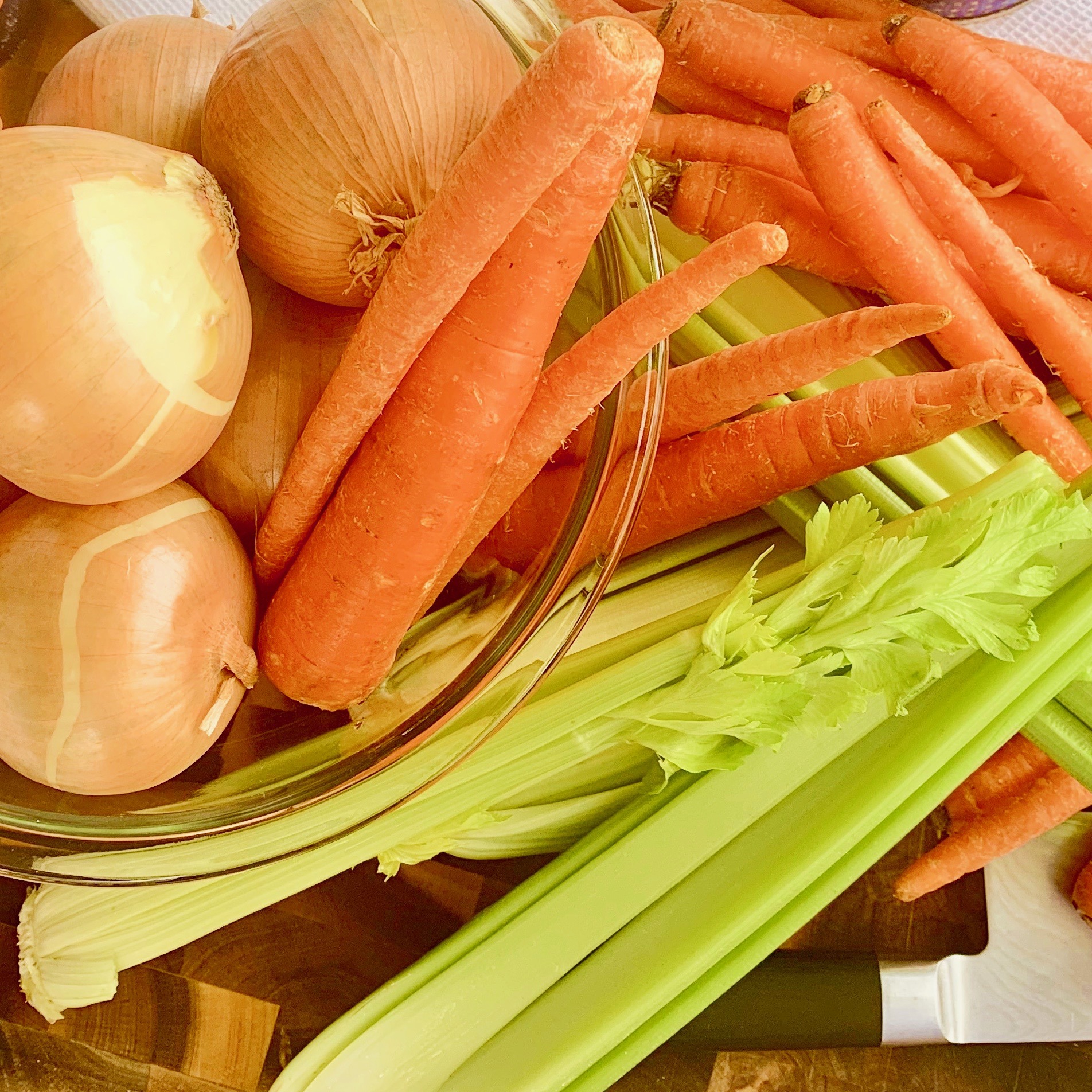
Learn The Secret to Simple French Mirepoix, Chef Missy
Carrots are sweet and are quoted as being high in sugar. However, they are excellent at lowering blood sugar levels. Similarly,  they are high in vitamins and minerals. 

Ingredients
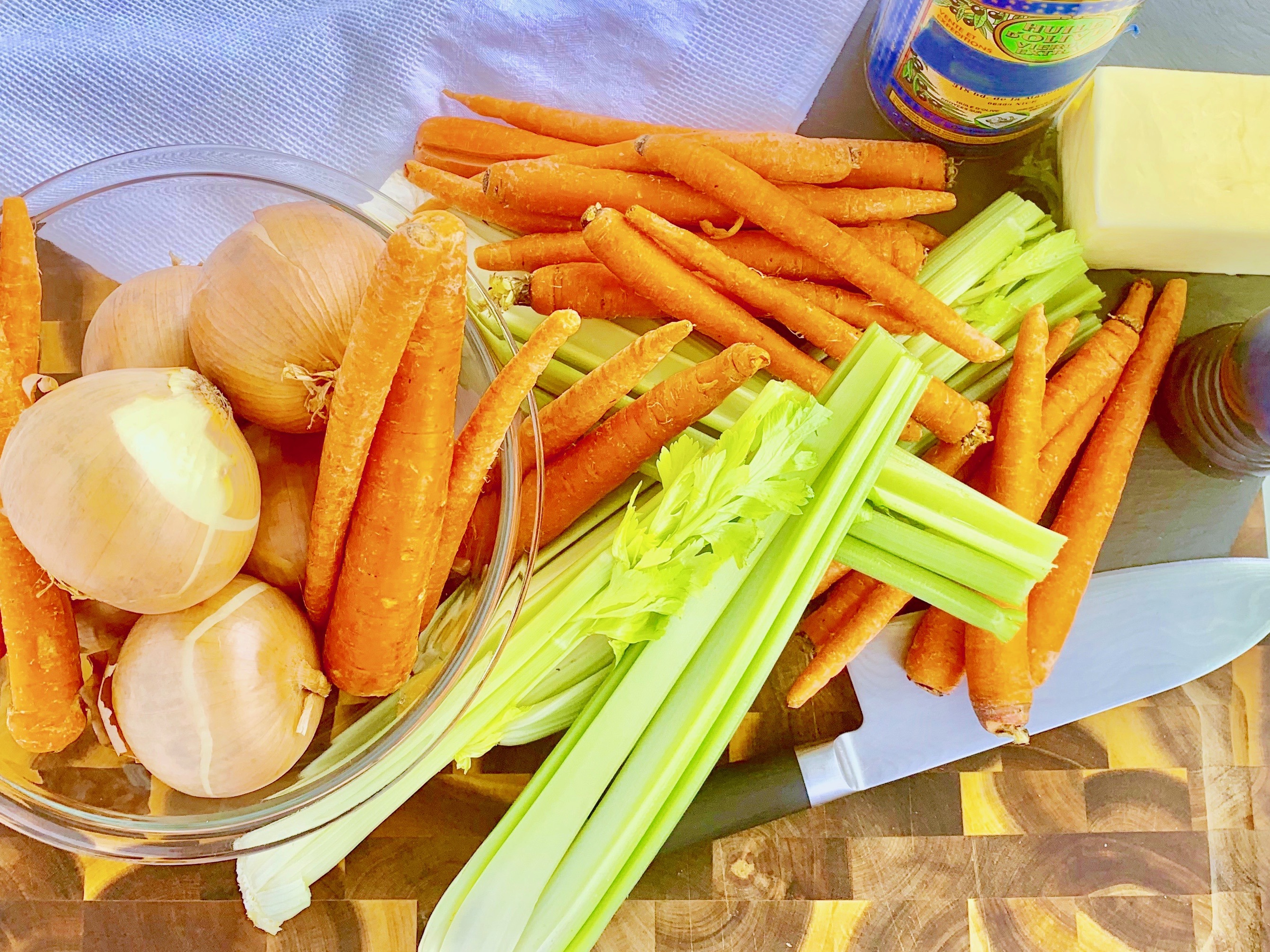
  • 2 parts onion, 1 part celery, 1 part carrot
  • 2 chopped onion (16 ounces)
  • 4-5 stalks chopped celery (8 ounces)
  • 4 carrots, chopped (8 ounces)
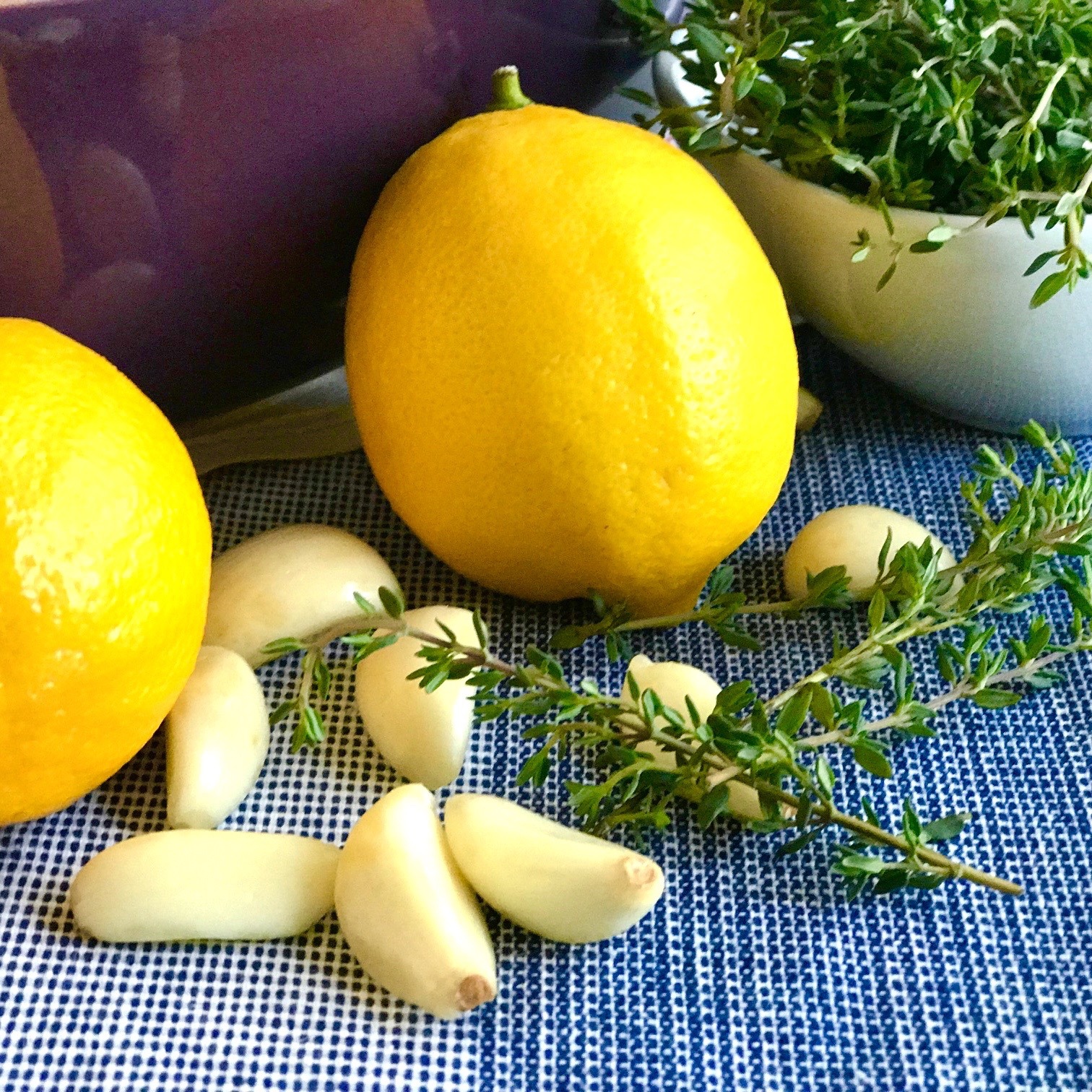
  • 5 cloves of garlic
  • 1-2 cups of dry sherry or white wine
  • 1 lemon
  • good french sea salt
  • fresh cracked pepper
  • 4 tablespoons herbs de provence
  • 1 bunch of fresh thyme
  • 5 tablespoons unsalted butter
Learn The Secret of Simple French Mirepoix, Chef Missy

Step by Step Instructions

Learn The Secret To Simple French Mirepoix, Chef Missy
Step 1

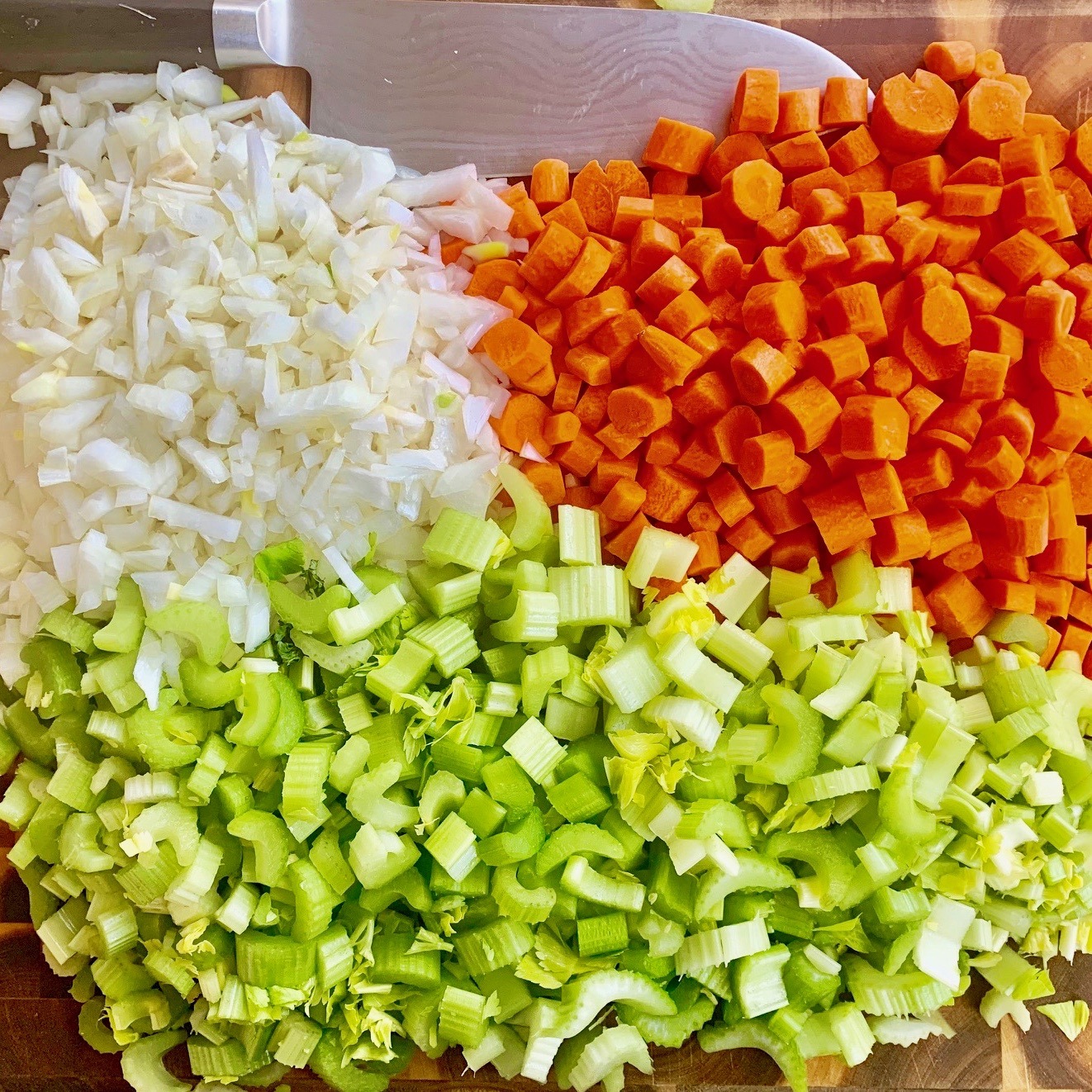
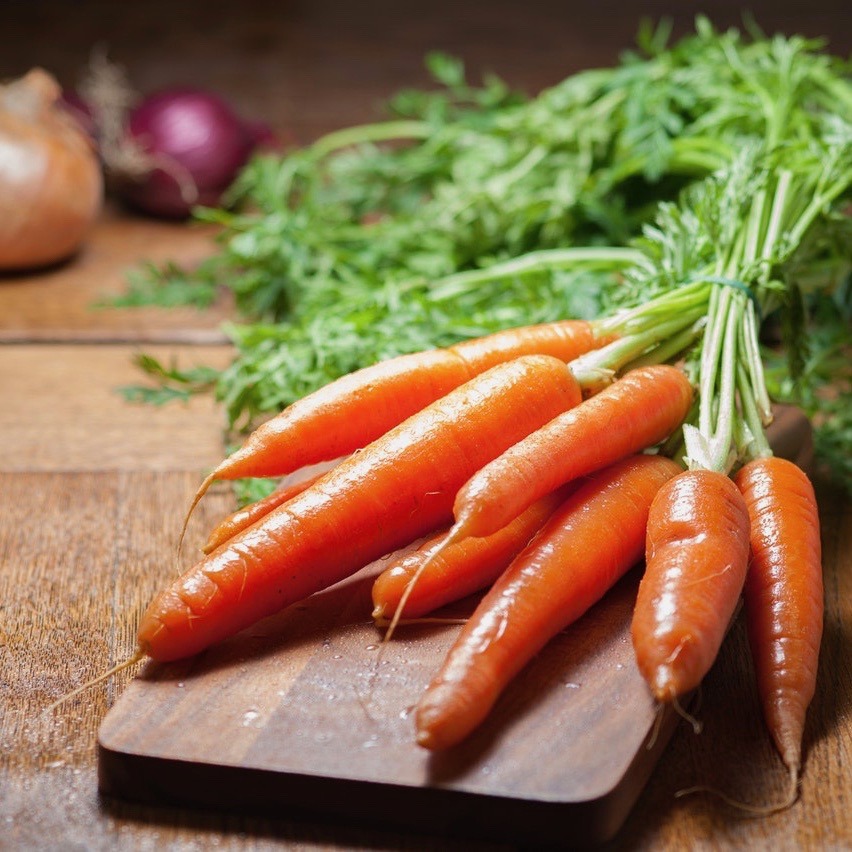
first, chop all vegetables before moving forward with cooking. Peel carrots, cut onions, and chop celery. Save all scraps for veggie stock or to compost for the garden. Keep a small bucket in the refrigerator and add to it all week. Make a big stock on Sunday.
Learn The Secret of Simple French Mirepoix, Chef Missy
Step 2

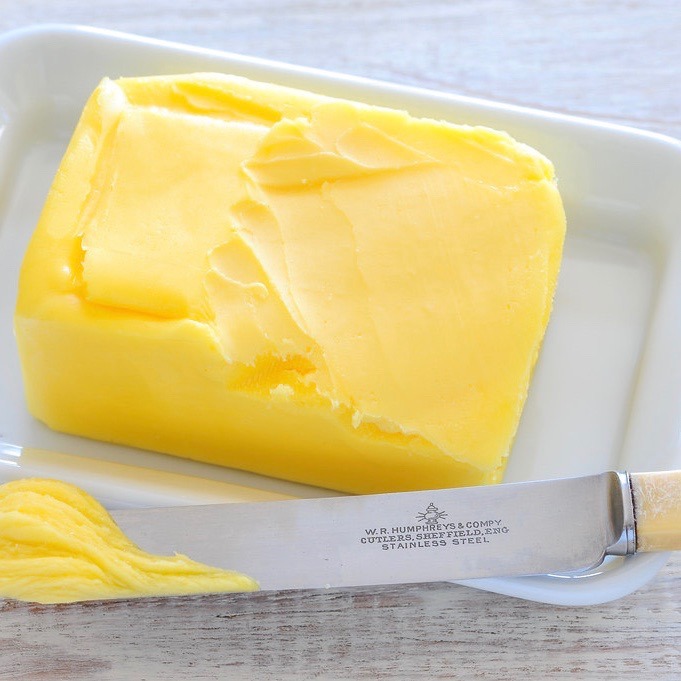
second, be generous with your fat. Get at least 5 tablespoons of your fat hot at a low temperature, but do not burn your fat.
french provencal vegetable casserole, The French Magnolia Cooks
Step 3

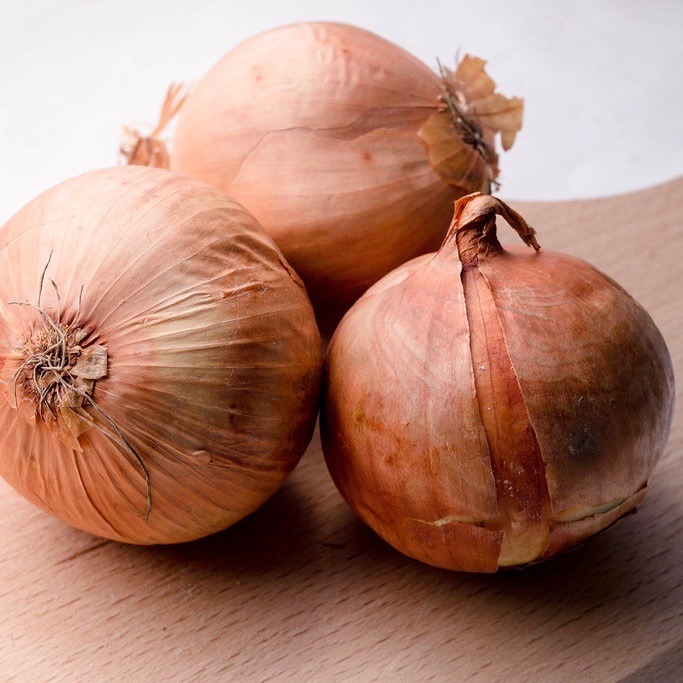
third, sauté onions very slowly on a low heat without color or browning. You are simply cooking the onions in fat until they become clear in color. To clarify, mirepoix is not sautéed. True sautéing would caramelize the onions. Consequently, they would become sweet in flavor. 
Learn The Secret of Simple French Mirepoix, Chef Missy
Step 4

fourth, add chopped celery and carrots and cook for another 20 minutes. Meanwhile, prep your herbs and spices. 
french provencal vegetable casserole, The French Magnolia Cooks
Step 5

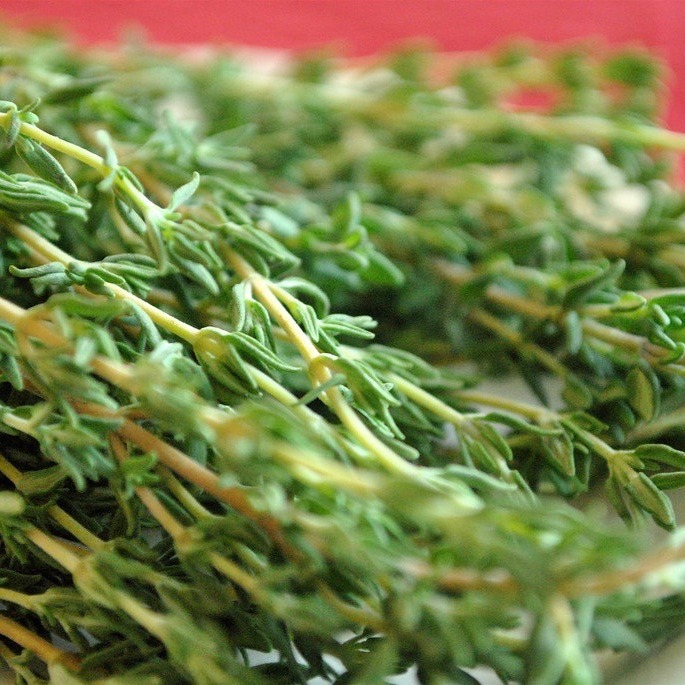
After the vegetables are clear and semi-soft, but not brown, add the following spices. 1 tablespoon of good French sea salt, 1 tablespoon of fresh cracked pepper, 1-2 tablespoons of either dried Herbs de Provence blend OR 3 tablespoons of fresh thyme. Most importantly, the fresh juice from 1 large lemon.
french provencal vegetable casserole, The French Magnolia Cooks
Step 6

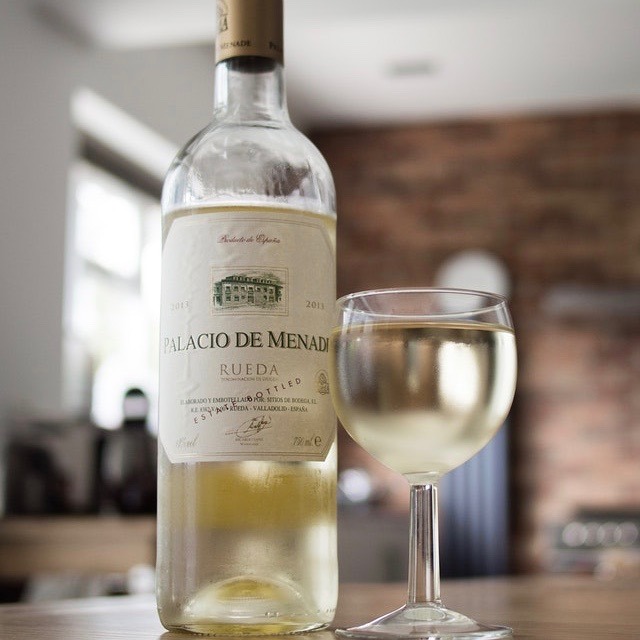
For added flavor, I always add 1-2 cups of dry sherry or dry white wine. After that, I let the wine simmer until reduced out. So, it should take another 20 minutes. Above all, pour yourself a glass too.
french provencal vegetable casserole, The French Magnolia Cooks
Step 7

After that, you can do whatever you want. For instance, pour this mixture over quartered chicken and roast. Or, follow any classic sauce recipe. Add chicken bones and water to make a stock. On the other hand, add tomato paste for French Pincage. 

Other Mirepoix Options

French Pincage 

French pinçage (pronounced pin-sahge) is mirepoix with tomato paste added. It’s a great option for adding mirepoix to sauces. Use pinçage in French sauces, French Basque or Country French cuisine or good ole fashion Southern dishes. For instance,

  • Classic French demi-glace
  • Shrimp Scampi Provencal
  • Sauce Espagnole
  • Oxtail Consomme

The Holy Trinity 

The Cajun holy trinity is a version of mirepoix used in the New Orleans, Louisiana. It consists of onion, green bell pepper, and celery in the following ratio: two parts onion, one part green bell pepper, and one part celery. It’s cooked in a neutral vegetable oil until soft and aromatic. Use holy trinity in cajun dishes. For instance,

  • Gumbo
  • Jambalaya
  • Red beans and rice

WHY is Mirepoix called Mirepoix?

Learn The Secret of Simple French Mirepoix, Chef Missy
The word mirepoix dates from the 18th century and derives, most importantly, from French cuisine. In the case of mirepoix we look to the aristocratic employer of the chef who created the first recipe. Charles-Pierre-Gaston Francois de Levis was an Ambassador to Louis VX and also the Duke of Mirepoix. Mirepoix was in Southwestern France, in the Occitanie, Langedouc region. Charles-Pierre’s Chef de Cuisine established the sautéed three vegetable medley that serve as a base for all his sauce and dish recipes. Subsequently, he named it after his employer — the Duke of mirepoix. Ironically, at the end of the Duke of Mirepoix’s life he told his wife that he had but one claim to fame. He gave his name to a sauce. 
Learn The Secret of Simple French Mirepoix, Chef Missy

What You Need To Know About Eggs

What You Need To Know About Eggs

Chef Missy What You Need To Know About Eggs The French Magnolia

What You Need To Know About Eggs

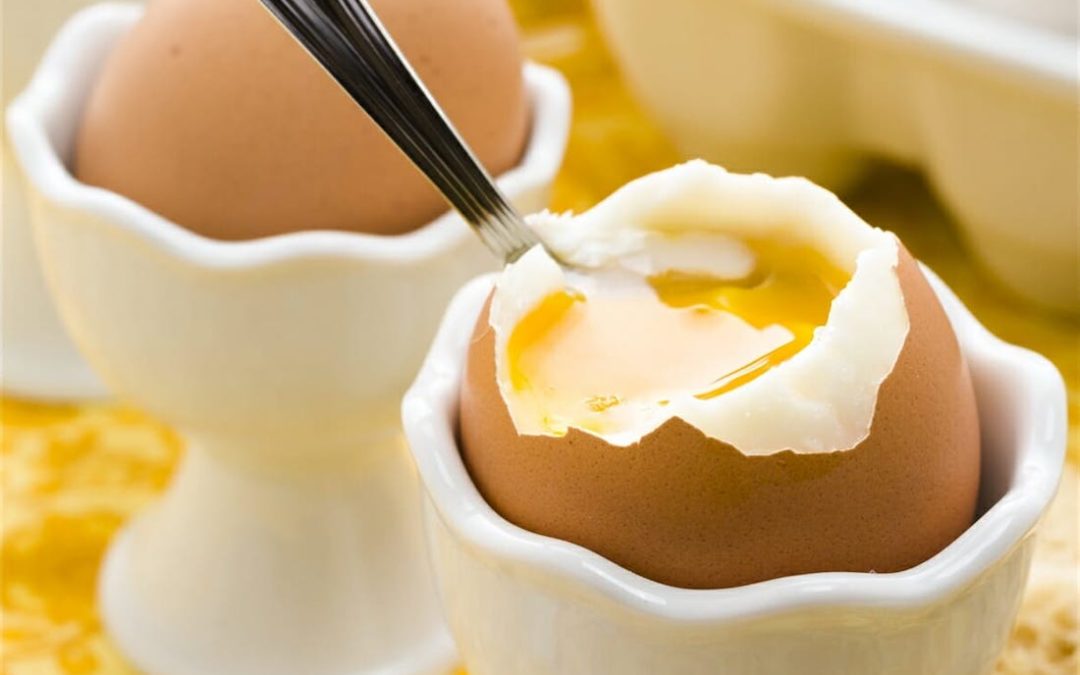
The glorious, unadulterated, sheer perfection of the egg, but here’s what you need to know about eggs. The French celebrity of egg in cuisine and culture is both intensely emotional and intellectual. The egg arrogantly embodies flavors of cream and cheese while being neither. The original town and country companion as it comforts with great sophistication. It’s an irritatingly perfect balance of fat and protein. As a result, it demands organic.

As a chef, I bow to the egg in all cuisine. But one would be hard pressed to approach or dominate French cuisine without the use of an egg. French culinary triumphs rule the day with the soufflé, mayonnaise, merengue, creme brûlée, cake, omelette, salad nicoise, croquet madame — all impossible without the egg. Certainly, this is a short list.

Small children and beginner cooks throughout the world first learn to do one simple thing — crack and scramble an egg. French cuisine celebrates eggs from a variety of birds but for a moment, we celebrate the chicken egg.

Oh precious hen — we love you!

What You Need to Know About Eggs: From Farm to Market

What You Need To Know About Eggs, Chef Missy, The French Magnolia
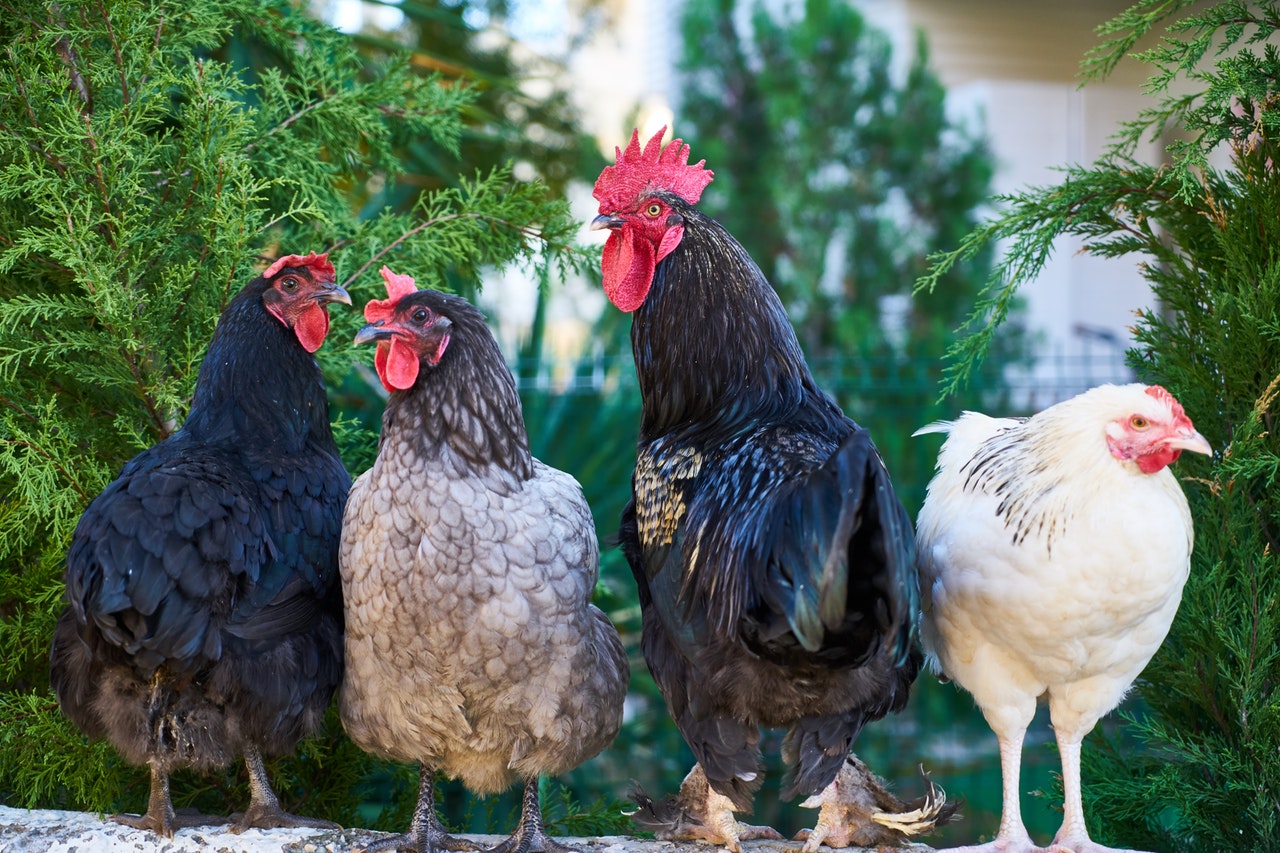
STEP 1. Hens ovulate to reproduce. In chickens, an unfertilized egg is eliminated. There are many misconception about chickens. For example, they are not always naturally “giving” eggs. Hens at large commercial hatcheries experience fear, trauma and anxiety and their breeding is forced. Modern hens are forced to lay around 300 eggs per year. Natural hens from small organic farms lay around 150 to 200 the first year with a decline the following years. Wild hens lay only 10 to 15 eggs per year in the spring —enough eggs to assure survival of their genes. 
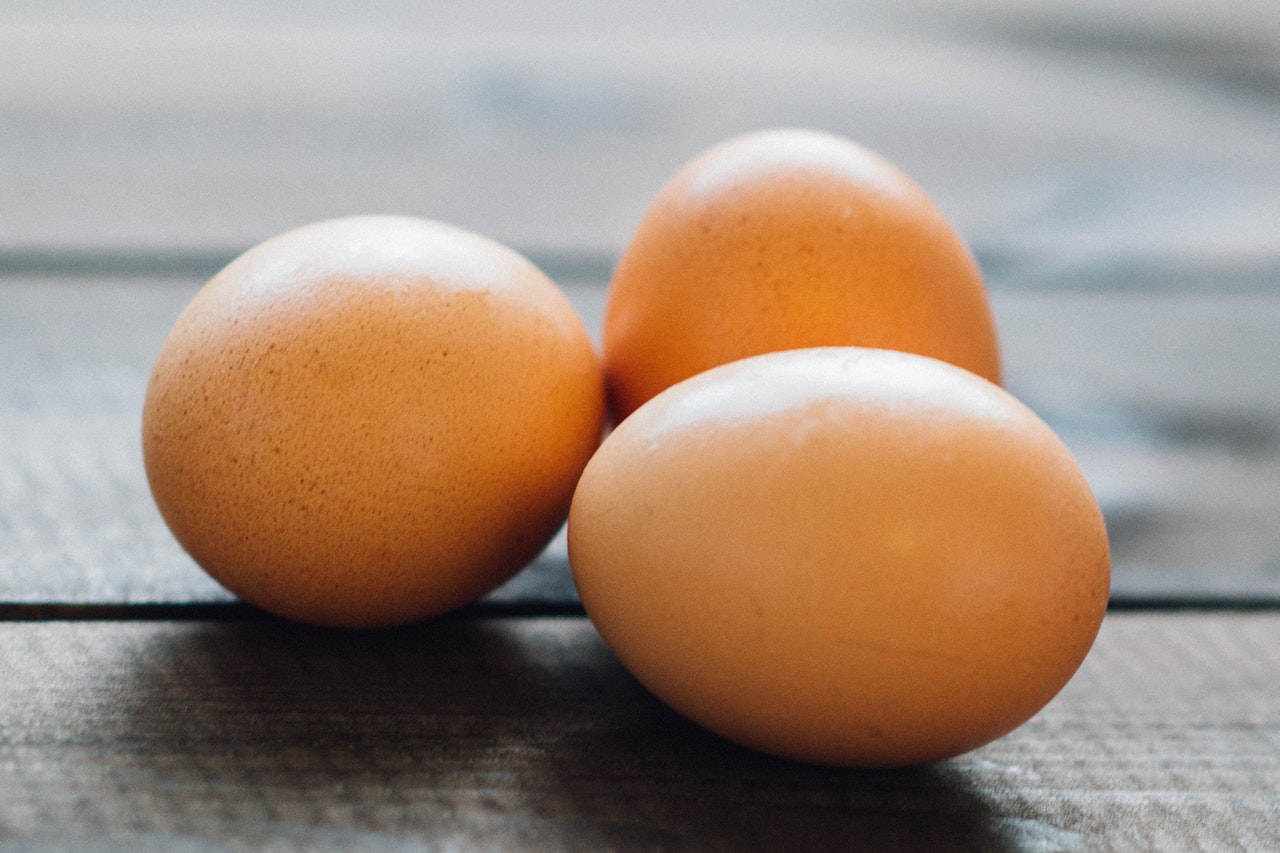
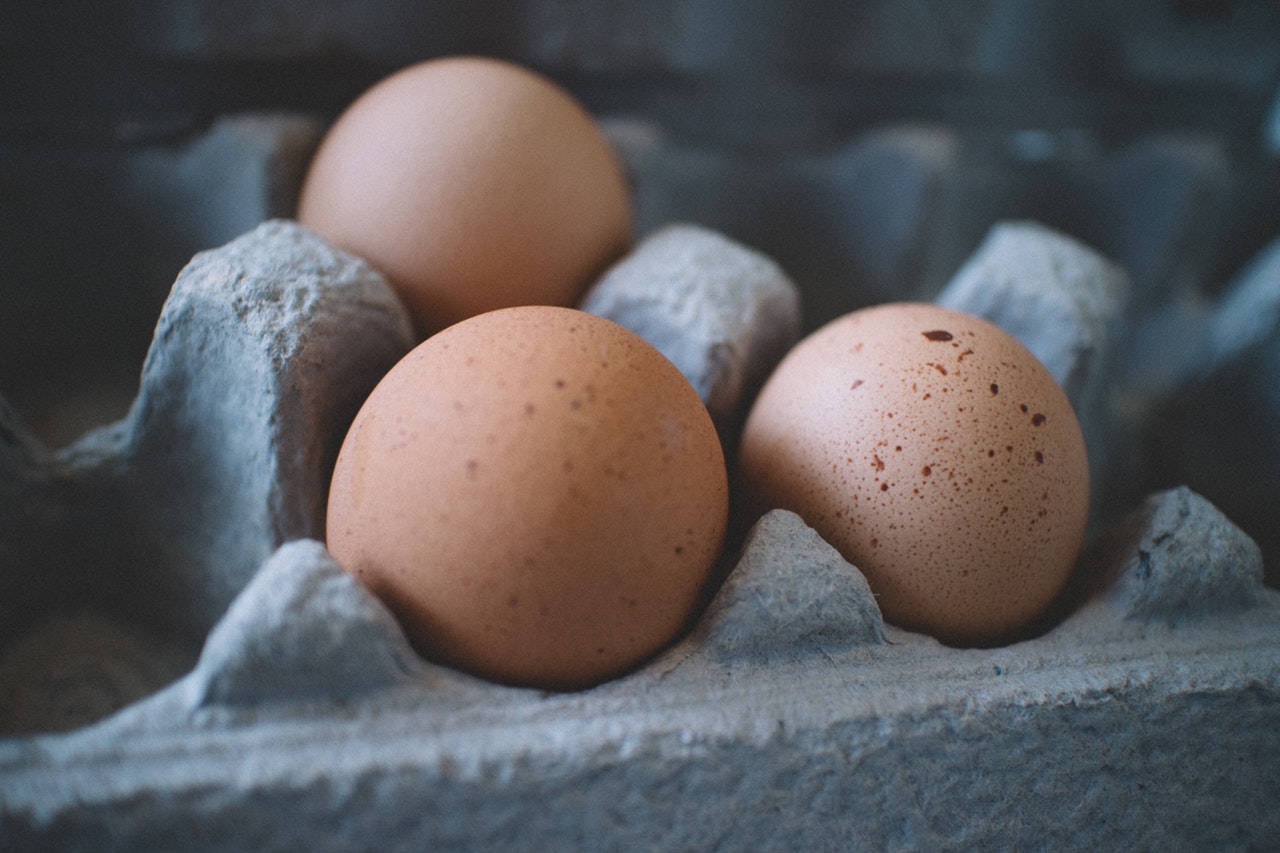
plain eggs
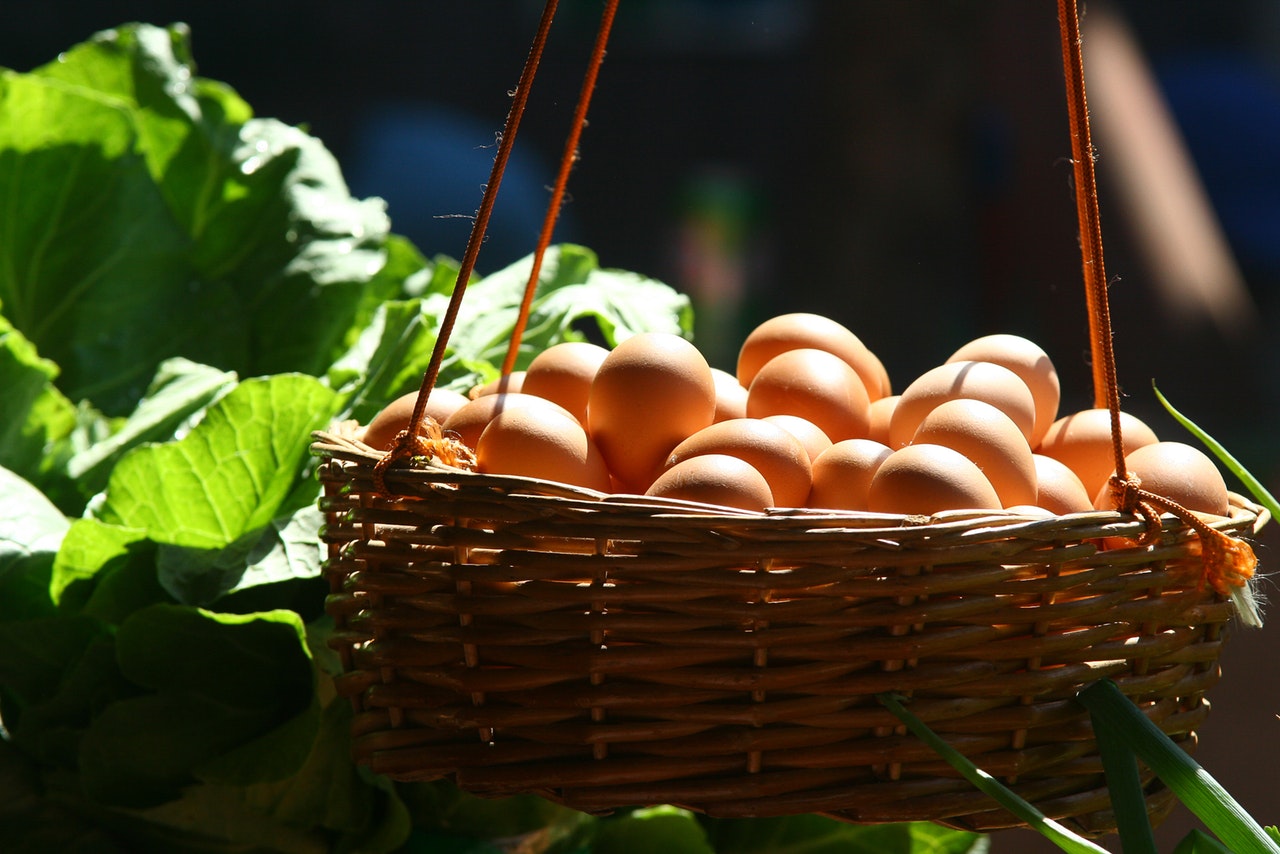
STEP 2. Eggs are collected. Ideally, eggs should be collected the day after they are laid. The USDA requires processing within 30 days of lay. High-quality eggs are collected and processed within seven days of lay.

STEP 3. Eggs should be completely cooled at room temperature.

What You Need To Know About Eggs, Chef Missy, The French Magnolia

STEP 4. What you need to know about eggs is that they are then cleaned and disinfected to prepare for selling in a commercial market. Most importantly, the cleaning process separates the good eggs from the bad. Consequently, during this process chemicals and contaminants are introduced to conventional that compromise your eggs.

Local farmer eggs are usually unpasterized and may have a coating on the outside of the shell. Most importantly, can be quickly rinsed with tepid water and stored not he counter. 

Egg Candling What Your Need To Know About Eggs Chef Missy The French Magnolia
STEP 5. Candling and Grading. Candling is a measure for assessing the interior quality of the eggs whereby eggs are held up in front of a high-intensity light and visually examined in order to receive a grade, like ‘Grade A’. After that, cracks are identified and eggs is discarded.
What You Need To Know About Eggs, Chef Missy, The French Magnolia
STEP 6. The eggs are packed, labelled and then travel to the market. 

The Big AHA: What You Need to Know About Eggs

ORGANIC 

The guidelines for organic producers and organic pasture raised eggs is strict. They must perform a wet-cleaning using non-synthetic detergents (there’s a list). Most of them use a mixture of vinegar, water and hydrogen peroxide. This is a very quick process. Subsequently, a dry brushing technique is highly recommended for small producers.

CONVENTIONAL 

Conventional eggs and omega-3 ‘enriched eggs’ are cleaned and disinfected with synthetic chemicals such as chlorine and lye. Cheap factory farms are reckless negligent when washing with chlorine and lye. For instance, when chemicals raise higher than 40 degrees, the egg risks thermal cracking. The egg literally sucks the washing solution into it without an actual physical crack. 

Quick Labeling Guide

Conventional or Factory Farms Eggs: These are your standard supermarket eggs. The chickens are usually raised in an overfilled hen house or a cage and never see the light of day. They are usually fed grain-based corn crap, supplemented with synthetic vitamins and minerals. In addition, they are cleaned in lye and chlorine and usually treated with antibiotics and hormones.
Omega-3 Enriched Eggs: These are Still factory farms. They are like conventional chickens except that their feed is supplemented with an Omega-3 source like flax seeds. May have Omega-6 added which is not beneficial and can be harmful for human consumption. Usually treated with antibiotics and hormones.
Organic Eggs: Were not treated with antibiotics or hormones and received organic corn-free feed. Live both an indoor and outdoor life.
Pasture-Raised Organic Eggs: Chickens are allowed to roam free, eating plants and insects (their natural food) along with some corn-free commercial feed.

Nutrition at a glance – one egg has:

About 70 calories. It has 5 grams of excellent fat – 2 grams of saturated fat (required for organ function) and 0 trans fats (what you get from fried food).
About 200 mg of cholesterol (the GOOD kind), a little natural sodium, 0 carbs, 0 fiber, 0 sugars and 6 grams of protein.
Vitamin A, D, E, a little Calcium. Iron which transports oxygen to cells. Excellent source of phosphorus and B12.
Selenium which is an antioxidant and regulates the thyroid hormone. Zinc which helps with healing wounds and blood formation.

Why French Eggs Are Cleaner

French farming laws are very strict. As a result, there are literally hundreds of pesticides and dangerous chemicals commonly used throughout America that are illegal in France. French air and soil is simply cleaner. The chickens are smaller, but breathe a cleaner geo-bacterium. Geo-bacterium is natural bacteria that rises up off the soil and settles on animals…or cheese (or humans).
French law protects and celebrates the farmer, so in general, there are more local farmers and farmers markets. French people have access to fresh produce, eggs and meats that were grown and raised closer their homes.
What You Need To Know About Eggs, Chef Missy, The French Magnolia

Dispelling The French Omelette Myth 

1. Omelette ‘alumete’ is a French word, and was first officially used in a French cooking publication, Cuisine Bourgeois in the late 17th century. The word ‘alumete’ was used as early as the 14th century but could have come to the French language and culture from the Romans. The Romans claim to have been making omelettes before the French. That is to say, they claim to have introduced it to what is now modern-day France. Hmmm…sounds like an old, personal grudge. Best leave that one alone. 
2. Perhaps the omelette’s most famous historic moment was that Napoleon Bonaparte and his army were traveling through a small town, where a local innkeeper served him an omelette. Napoleon was so impressed that he ordered that all the eggs in the town to be gathered to create one huge omelette for his army the next day. Whether or not this actually happened, it did mark the beginning of an annual festival in the town of Bessieres, France where every year a giant omelette is made for all the townspeople to enjoy. 
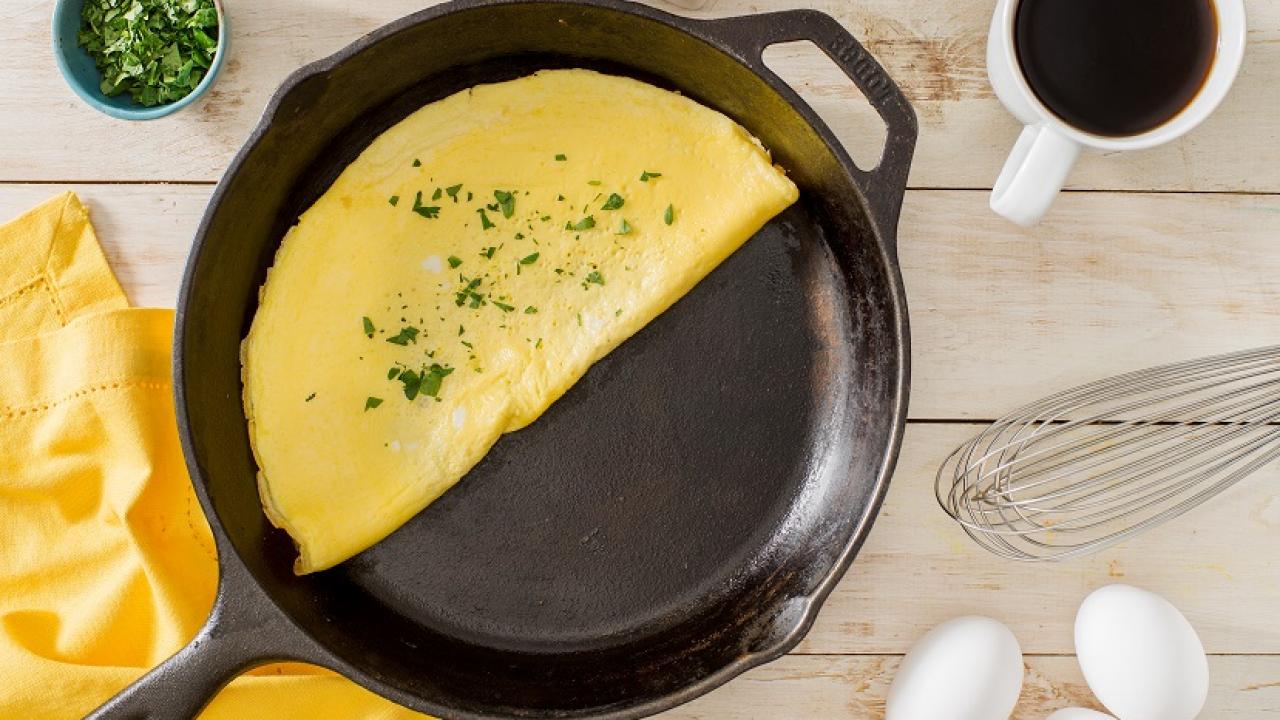
3. A true French omelette celebrates just the egg. A French omelette is plain, cooked in a little French butter with fresh herbs, good sea salt and pepper.  Cheese and meats are served on the side along with some seasonal mixed greens and baguette.

Resources

LOCAL HARVEST. ORG  local farm fruits, veggies, eggs and dairy.

CSA pick-ups and front door delivery.